Does Your Caerphilly Business Actually Need a Website?
Caerphilly has over 2,500 registered small businesses. A surprising number of them have no website at all — just a Facebook page, a Google listing, or nothing. If you're one of them, this guide is for you. No sales pitch, just the information you need to make the right call.
What a Website Actually Is (and Isn't)
A website is a set of pages that live at a web address — like yourname.co.uk — and show up when someone searches Google. That sounds obvious, but it's worth saying because there's genuine confusion between a website, a Facebook page, and a Google Business Profile. They're different things that do different jobs.
A Google Business Profile is the box that appears on the right side of Google when someone searches your business name. It shows your address, phone number, reviews, and opening hours. It's free and essential — but it's controlled by Google, not you. You can't add detailed service pages, testimonials with context, or explain what makes you different from the three other results next to you.
A Facebook page is a social media profile. It's useful for posting updates and photos, but Facebook decides who sees your content — and organic reach has dropped sharply over the years. Your competitors can also run adverts that appear right next to your page.
A website is the only thing you fully control. You decide what it says, how it looks, and what people do when they land on it. It's also the only one of the three that can rank in Google search results for terms like "plumber in Caerphilly" or "hair salon near me."
The Caerphilly Context
Caerphilly sits in an unusual position. It's the largest town in the borough with around 35,000 residents, but it's only six miles from Cardiff — which means local businesses compete online with Cardiff-based companies that often have bigger marketing budgets.
Walk along Cardiff Road and you'll pass dozens of small businesses — takeaways, dental practices, hair salons, convenience stores. Many rely entirely on passing footfall and word of mouth. That works until a competitor with a website starts appearing in local Google searches and quietly pulling customers away.
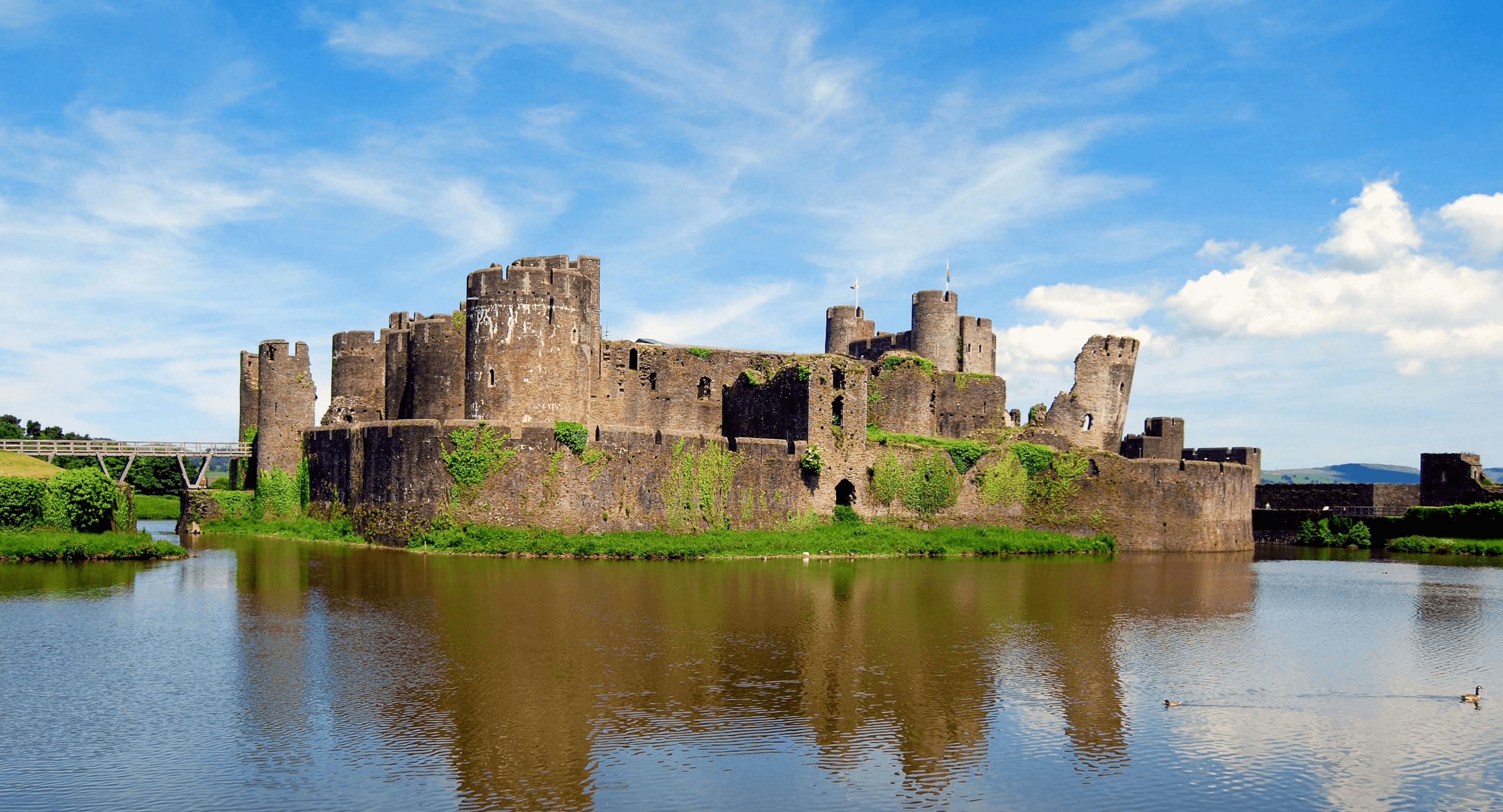
Caerphilly also has a genuine tourism economy. Caerphilly Castle is the largest castle in Wales and the second largest in Europe. The Big Cheese Festival draws tens of thousands of visitors every summer. If you run a café, pub, or any kind of hospitality business near the castle and you don't have a website, you're invisible to every tourist who searches their phone before deciding where to eat.
The business parks — Caerphilly Business Park, Pantglas, and the estates around Bedwas and Trethomas — are home to B2B services, consultancies, and trades businesses. Many of these operate on outdated websites or LinkedIn profiles alone. In professional services, your website is often the first impression a potential client gets. A site that looks like it was built in 2014 sends a message, just not the one you want.
“Eighty-four percent of consumers believe a business with a website is more credible than one with only a social media page.”
— Verisign / Harris Poll survey
When a Website Is Worth It
A website makes financial sense when it can realistically bring you even one or two extra enquiries per month. For most service businesses, that's a low bar to clear.
Consider the maths. If you're a plumber charging £150 for a boiler service, two extra jobs per month is £300 in additional revenue. If you're a hairdresser and two new clients spend £50 each, that's £100. Even at the lower end, the return is there — provided the website actually shows up in search results and gives visitors a reason to get in touch.
A website is particularly valuable if:
- Your customers search Google before choosing a provider (most do)
- You serve a local area and want to appear in "near me" searches
- You need to show credentials, past work, or specific services
- You want enquiries outside of your working hours
A website is less critical if your business is entirely referral-based with no capacity for new customers, or if you operate in a field where all work comes through a specific platform (like Bark or Checkatrade). Even then, having your own site gives you credibility that a third-party profile doesn't.
What a Good Small Business Website Needs
You don't need thirty pages and an animated homepage. For most Caerphilly businesses, five pages cover everything:
- Home page — what you do, where you're based, and why someone should choose you. This is the page Google shows most often.
- Services page — a clear breakdown of what you offer, ideally with individual sections for each service. This helps Google match your page to specific searches.
- About page — who you are, how long you've been going, any qualifications or accreditations. People buy from people, especially locally.
- Gallery or portfolio — before-and-after photos, completed projects, or your premises. Visual proof matters more than any amount of text.
- Contact page — a form, your phone number, email, and ideally a Google Map showing your location or service area.
Beyond the pages themselves, a good website loads quickly (under three seconds), works properly on a phone, and has basic SEO in place — which means Google can understand what each page is about and show it to the right people.
Common Questions
It varies widely. DIY builders like Wix cost £10–40/month but require your time. Freelancers typically charge £500–2,000 upfront plus ongoing hosting costs. Cardiff agencies often quote £2,000–5,000 or more. Pay monthly services start from around £30–80/month with everything included. The right option depends on your budget, your time, and how important your online presence is to your business.
SEO stands for Search Engine Optimisation. It's the practice of making your website more likely to appear in Google search results. For a Caerphilly business, local SEO is what matters most — it helps you show up when someone nearby searches for the service you offer. It involves things like proper page titles, clear descriptions of your services, and making sure Google knows where you're based.
Facebook is useful for engagement but it has real limitations. You don't control who sees your posts — Facebook's algorithm decides that. Your competitors can run adverts that appear alongside your page. And Facebook pages rarely rank in Google search results. A website is the only online presence you fully own and control.
A Google Business Profile is the free listing that appears in Google Maps and local search results. It shows your address, phone number, reviews, and opening hours. Every local business should have one — it's free and takes about 20 minutes to set up. But it's not a replacement for a website. It works best alongside one.
It depends on the route you take. DIY can take weeks of your own time. A freelancer typically needs 4–8 weeks. Agencies can take 2–3 months depending on their workload. Some pay monthly services can have a site live within 7 working days of receiving your content.
SSL (Secure Sockets Layer) encrypts the connection between your website and the person visiting it. You can tell a site has SSL when the address starts with https:// rather than http://. Google treats SSL as a ranking factor, and most browsers now show a 'Not Secure' warning for sites without it. Any reputable hosting or website provider includes SSL as standard.
Word of mouth is powerful, but even referrals check you out online before making contact. If they search your name and find nothing — or find an outdated Facebook page — it can undermine the recommendation that brought them to you. A website doesn't replace word of mouth, it reinforces it.